If you are thinking about living near the water in Los Angeles, Santa Monica’s beach communities stand out for one simple reason: they pack an oceanfront lifestyle into a surprisingly compact city. You get beach access, neighborhood shopping streets, transit options, and a wide range of housing types within just 8.41 square miles. That can make daily life feel both active and convenient, but it also means you need to understand how each pocket of Santa Monica lives a little differently. Let’s dive in.
Santa Monica at a glance
Santa Monica is home to an estimated 93,076 residents, and its compact footprint creates a denser, more urban coastal feel than many people expect. According to the U.S. Census Bureau, the city has about 11,067 people per square mile, which helps explain why the beach, Downtown, local retail streets, and residential blocks often sit close together.
Santa Monica also borders several Westside communities, including Brentwood, Mar Vista, Pacific Palisades, Venice, and West Los Angeles. That location gives you a strong sense of connection to the broader Westside, while the city’s coastline and compact layout make it feel more self-contained day to day.
Beach living feels different here
Living in Santa Monica’s beach communities often means your routine is shaped by proximity. You may be close to the sand, but you are also close to grocery stops, coffee shops, neighborhood dining, public transit, and bike routes depending on where you land.
That mix is a big part of the appeal. Santa Monica is not just a beachfront destination. It is a working, residential city with a broad housing mix that includes single-family homes, duplexes, triplexes, fourplexes, bungalow courts, courtyard apartments, condos, and some high-rise residential buildings, based on the city’s historic resources inventory.
Key beach-area neighborhoods
Ocean Park
Ocean Park is one of the clearest examples of Santa Monica’s beach lifestyle. The city describes it as a neighborhood with low- to mid-rise multifamily housing mixed with some single-family homes, and Main Street serves as its main retail and dining corridor.
If you want a coastal setting with an everyday neighborhood feel, Ocean Park is often where that conversation starts. You are likely to find a blend of apartments, condos, and some detached homes, with daily errands and casual outings centered around Main Street rather than a large commercial district.
Downtown Santa Monica
Downtown offers the most mixed-use version of beach living. City planning documents describe it as the area where retail, restaurants, hotels, entertainment, office space, and housing cluster around the Promenade, Santa Monica Place, the pier, and the beach.
For some buyers and renters, that means convenience and energy. For others, it may feel busier than they want. Either way, Downtown is one of the places where attached housing, condo living, and close access to transit and shopping are most closely tied together.
Wilshire Montana
Wilshire Montana is more multifamily in character, with apartment buildings and scattered single-family homes, according to city materials. It is not directly a beach-neighborhood strip in the same way Main Street or Downtown are, but it can still appeal if you want access to the coast while staying connected to a more residential setting.
This area can make sense if you value a neighborhood feel and want housing options that lean toward condos or apartments. It also places you near Montana Avenue, which serves as a lower-scale retail corridor.
North of Montana
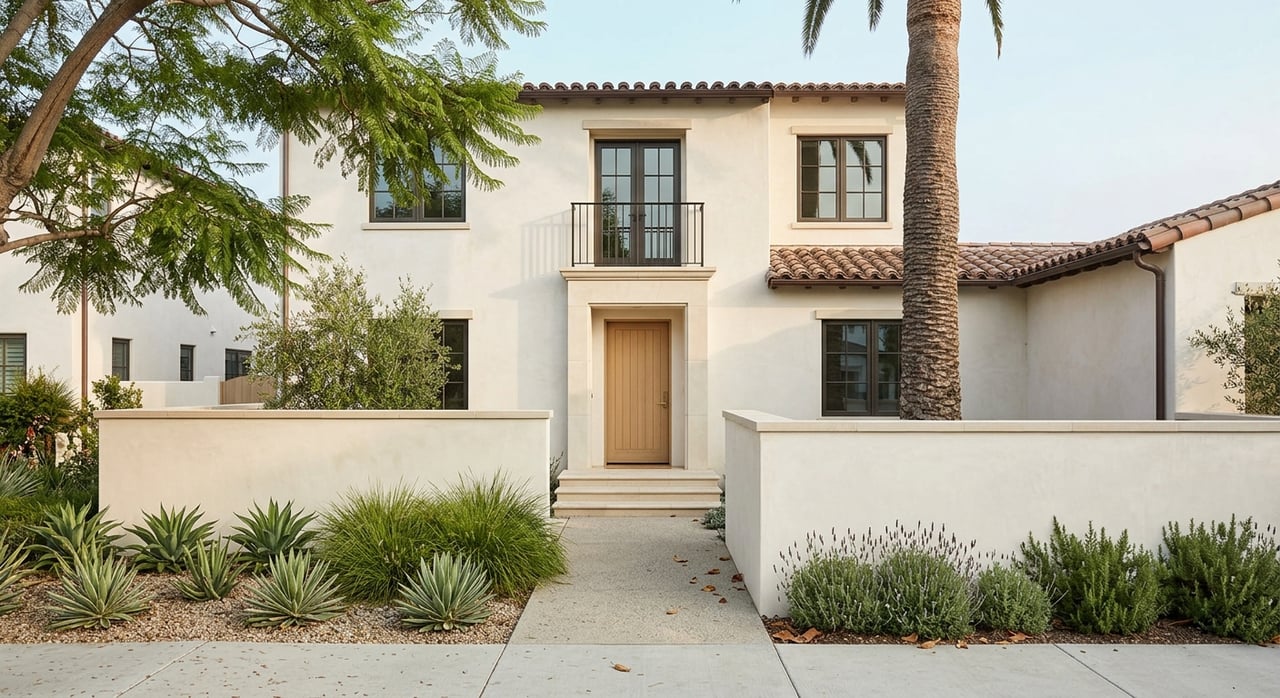
North of Montana has a very different texture from the more multifamily coastal sections of the city. The city describes it as a classic low-density area with one- to two-story single-family homes on larger, tree-lined parcels, with Montana Avenue acting as a neighborhood retail street.
If your idea of Santa Monica beach living includes more privacy and detached housing, this area may align better with that goal. It still benefits from the city’s coastal setting, but the housing pattern feels less compact and less apartment-oriented.
What daily life looks like
One of the most useful markers of everyday coastal living is the Annenberg Community Beach House. It sits on 5 acres at Santa Monica State Beach and is open to the public without a membership requirement.
The beach house includes free public amenities such as a playground, volleyball courts, splash pad, courtyard, and view deck. Parking and the pool are the main paid components, while beach access remains open year-round. If you are picturing what it means to actually use the coastline as part of normal life, this is a good example.
Santa Monica also emphasizes shoreline accessibility. The city notes that it has beach access paths and beach wheelchairs available at three locations, including the beach house. That matters if easy access to the sand is part of your housing decision.
Errands, dining, and staying local
A big reason people like Santa Monica’s beach communities is that you often do not have to go far for daily needs. Different parts of the city are anchored by distinct commercial corridors, including Main Street in Ocean Park, the Promenade and Santa Monica Place in Downtown, and Montana Avenue farther north.
That setup creates different versions of local living. Some areas feel more active and mixed-use, while others feel more residential with nearby services. If you are comparing neighborhoods, this is one of the most practical distinctions to pay attention to.
Transportation and commuting
Many people assume beach living means driving everywhere, but Santa Monica offers several ways to get around. The Big Blue Bus system runs along major corridors such as Main Street, Santa Monica Boulevard, Wilshire, Lincoln, Olympic, Pico, and Ocean Park.
There are also routes that connect key local destinations. For example, Route 41 links Santa Monica College, the 17th Street station, and Montana Avenue, while Rapid routes include service to Downtown Los Angeles and UCLA/Westwood.
Rail access also plays a major role. Metro’s E Line runs between East Los Angeles and Santa Monica, and the Regional Connector allows travel between East LA and Santa Monica without transferring lines.
For shorter trips, the city has pushed hard on alternatives to driving. Santa Monica’s Transportation Demand Management program promotes sustainable commute options, and city materials state that Santa Monica has installed more than 100 miles of bicycle facilities as part of a broader bike network.
Parking is part of the lifestyle
This is one of the most important practical points for anyone considering a move near the coast: parking is not a side issue in Santa Monica’s beach communities. It is part of the lifestyle.
The city’s overnight beach resident parking permit rules apply only to residents within a defined coastal zone, plus a smaller Central Zone. That is a clear sign that close-in beach living can involve permit systems, guest parking considerations, and more planning than you might expect in inland neighborhoods.
When you are evaluating a home, condo, or lease, parking deserves the same level of attention as square footage or finishes. In this part of Santa Monica, it can shape convenience every single day.
What the housing market suggests
Santa Monica is a high-cost housing market, and the broad city numbers make that clear. Census data shows an owner-occupied housing unit rate of 27.9%, a median owner-occupied home value of $1,755,500, and a median gross rent of $2,402.
The city also has 47,297 households and an average household size of 1.88, which reinforces the feel of a dense coastal market rather than a large-lot suburban environment. In practical terms, buyers looking at condos and attached homes often focus on areas such as Downtown, Wilshire Montana, and Ocean Park, while detached-home buyers often look farther north or southeast, including North of Montana and Sunset Park. That pattern is an inference from the city’s land-use structure rather than a formal city classification.
Who Santa Monica beach living fits best
Santa Monica’s beach communities can work well for different kinds of buyers and renters, but the fit depends on how you want to live.
You may find the area especially appealing if you want:
- Close access to the beach as part of your normal routine
- A compact city where errands, dining, and recreation are often nearby
- Options ranging from condos and apartments to detached homes
- Transit access through bus routes and the Metro E Line
- A coastal setting that still feels connected to the rest of the Westside
It may require a little more planning if your priorities include easy parking, larger lots, or a quieter residential setting. In that case, the exact neighborhood and property type matter a great deal.
How to evaluate the right fit
If you are seriously considering Santa Monica’s beach communities, try to look beyond the postcard view. Pay attention to how each neighborhood handles housing density, daily retail access, transportation, and parking.
A condo near Downtown can offer a very different experience from a single-family home north of Montana or a multifamily building in Ocean Park. The best choice usually comes down to whether you want walkability, space, transit access, beach proximity, or a certain pace of daily life.
Santa Monica offers a rare mix of coastal access and urban convenience, but it is not one-size-fits-all. If you want help weighing neighborhood tradeoffs, reviewing property options, or planning a move with a clear strategy, Jeffrey Sachs can help you navigate the Santa Monica market with steady guidance and informed local perspective.
FAQs
What is daily life like in Santa Monica’s beach communities?
- Daily life often blends beach access with a compact city routine, including nearby shopping streets, dining, transit options, and a mix of housing types.
Which Santa Monica neighborhood feels most connected to the beach lifestyle?
- Ocean Park and Downtown Santa Monica are two of the areas most closely tied to the beach, with access to the shoreline and nearby commercial corridors such as Main Street, the Promenade, and Santa Monica Place.
Are Santa Monica beach communities mostly condos or single-family homes?
- Santa Monica includes both, but housing type varies by area. Downtown, Wilshire Montana, and Ocean Park tend to be more condo and multifamily oriented, while North of Montana and parts of Sunset Park lean more toward detached homes.
Is parking difficult near the beach in Santa Monica?
- Parking can be a meaningful part of daily life near the coast, and some areas are governed by overnight resident and guest parking permit rules tied to defined beach zones.
Can you live in Santa Monica and use transit instead of driving everywhere?
- Yes. Santa Monica has service through Big Blue Bus routes, Metro’s E Line, and an expanding bicycle network, which can make it easier to handle some trips without a car.