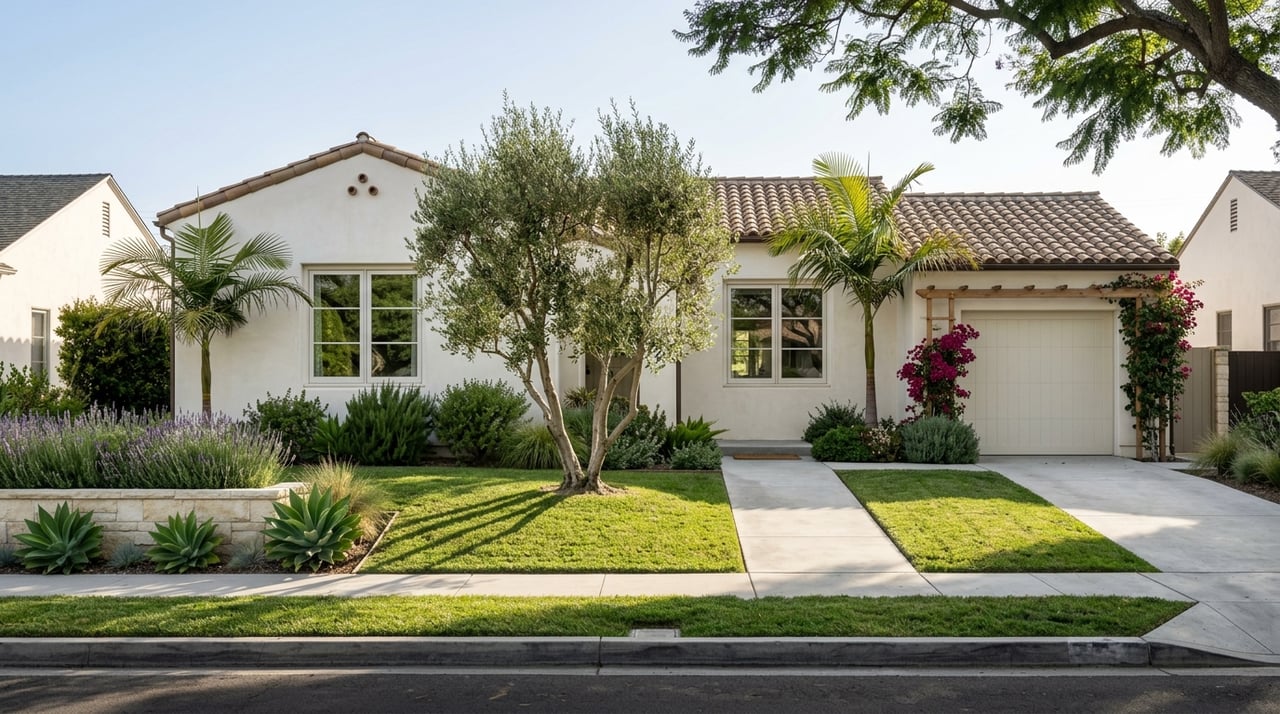
Selling a Santa Monica home from out of town can feel like trying to manage a moving target from hundreds or thousands of miles away. You may be juggling paperwork, property access, vendor decisions, and closing deadlines without being there in person. The good news is that much of the process can be handled remotely with the right planning. If you understand where Santa Monica sales tend to get complicated, you can protect your timeline, your property, and your bottom line. Let’s dive in.
Why Remote Sales Need More Planning
An out-of-town sale in Santa Monica is possible, but it is not something to run on autopilot. California residential sales are disclosure-heavy, and timing matters at every stage from preparation through recording.
For example, California requires a written Transfer Disclosure Statement for residential transfers. Natural hazard disclosures may also apply. On top of that, Los Angeles County records deeds only after proper execution and payment of required fees or taxes, so your paperwork and closing steps need to be handled carefully.
One of the biggest points sellers miss is notarization. While many transaction documents can be signed electronically under California law, notarized documents still require personal appearance before a notary. In practical terms, that means you should plan ahead for a mobile notary, a mail-away package, or an in-person appointment where you are.
Start With Legal Authority
Before your home goes on the market, confirm who has the legal authority to sign sale documents. This matters even more if the property is held in a trust, involved in an estate, or tied to a power of attorney.
A remote sale can slow down quickly if authority questions come up late. Having escrow or counsel review those documents early can help you avoid delays once offers arrive.
Build a Remote-Sale System Early
The cleanest approach is to have one local coordinator manage the moving parts. In many cases, that is your listing agent, who can function as the project manager for access, vendors, disclosures, escrow coordination, and the final push to closing.
This matters because remote selling is not just about marketing the property. It is also about keeping decisions, documents, and timelines organized when you are not physically present.
Gather Your Documents First
Before listing, pull together the key property records you may need. Keeping these items in one shared digital folder can save time once buyers start asking questions.
Common items include:
- Permits
- Invoices for recent work
- Warranties
- HOA or condo documents, if applicable
- Insurance declarations
- Utility statements
- Prior inspection reports
When these materials are easy to access, you can respond faster and with more confidence.
Do a Live Walk-Through
A live video walk-through with your agent is one of the simplest ways to make smart decisions from afar. It gives you a real-time look at current condition, deferred maintenance, and presentation issues without requiring a trip back to Santa Monica.
From there, you can create a repair, cleaning, and clean-out list. That helps you make practical decisions quickly instead of reacting one issue at a time.
Set a Communication Rhythm
Distance makes small delays add up. A fixed update cadence with your agent and escrow helps keep pricing decisions, repair approvals, disclosure questions, and buyer responses moving.
For many sellers, this can be as simple as scheduled check-ins plus clear rules for when immediate approval is needed. The point is to reduce avoidable lag when timing matters.
Prepare the Property Without Being There
If the home needs cleaning, landscaping, minor repairs, staging, or photography, local vendor coordination becomes a big part of the job. When you are away, someone on the ground needs to manage access and confirm the work gets done.
This is where a strong local process pays off. You want keys, lockboxes, alarm codes, gate codes, and utility information documented securely so access is controlled and predictable.
It also helps to keep dated photos or videos from before and after work is completed. That gives you a remote record of condition and helps you review what changed without guessing.
Understand Santa Monica Transfer Taxes
One of the most important local cost items in a Santa Monica sale is transfer tax. Santa Monica has its own city documentary transfer tax, and Los Angeles County adds a county transfer tax on top of it.
According to the City of Santa Monica, the city tax is $3 per $1,000 for sales under $5 million and $6 per $1,000 for sales at or above $5 million. Los Angeles County adds $0.55 per $500.
That can become a meaningful closing cost. On a $2 million sale, the combined city and county transfer tax is about $8,200 before other closing costs. If you are planning net proceeds from out of town, this is not a detail to overlook.
Plan the Signing Process Early
Many sellers assume a fully remote closing means everything happens online. In California, that is not quite true.
Electronic signatures can be used for many transaction documents, but notarized documents still require compliant in-person signing. If you are selling from another city or state, build this into your timeline well before closing so you are not scrambling at the last minute.
A few common options include:
- Scheduling a mobile notary where you live
- Handling a mail-away signing package
- Setting an in-person appointment for notarized documents
Once escrow is ready to record, Los Angeles County allows recording by mail or in person. If originals are mailed for recording, they are reviewed, processed, and then returned.
Tenant-Occupied Homes Need Extra Caution
If your Santa Monica property is tenant-occupied, your timeline may be very different from that of a vacant home. Santa Monica enforces tenant-protection laws, and local rules can materially affect what is possible before and after a sale.
Just as important, existing rental agreements remain in effect after a change in ownership. The city also says new owners must provide tenants with notice of the manager, service-of-process contact, and rent-payment contact within 15 days.
For out-of-town sellers, the key takeaway is simple: do not promise vacant delivery or a move-out date until the local rules have been reviewed. The city also states that landlords may not use self-help tactics such as changing locks or shutting off utilities, and some no-fault terminations can require permanent relocation benefits.
Protect the Property While You Are Away
An absent owner should think about security in two ways: physical oversight and title monitoring. Physical oversight includes controlled access, documented keys and codes, and regular updates on property condition.
Title monitoring is just as important. Los Angeles County offers an Enhanced Homeowner Notification Program that sends copies of recorded documents affecting ownership or liens and also offers email notification. For an out-of-town seller, that is a practical way to spot unauthorized recordings quickly.
Why Local Expertise Matters in Santa Monica
Santa Monica is not interchangeable with every nearby beach market. Transfer-tax rates and tenant rules can vary by city, even within the same county.
That means you should not assume a process used a few miles away will apply the same way here. In a remote sale, local detail matters because small mistakes can affect timing, expectations, and net proceeds.
A Practical Remote Selling Checklist
If you want a smoother sale from out of town, focus on these steps first:
- Confirm signing authority before listing
- Organize property documents in a shared digital folder
- Do a live video walk-through with your agent
- Create a repair, cleaning, and clean-out plan
- Set a communication schedule with your agent and escrow
- Arrange secure property access for vendors and showings
- Budget for Santa Monica and Los Angeles County transfer taxes
- Plan ahead for in-person notarization
- Review tenant issues carefully before making occupancy promises
- Enroll in Los Angeles County homeowner notifications
Each step lowers risk and helps you stay in control, even from a distance.
Selling from out of town is very doable, but it works best when the process is treated as both a marketing effort and a coordination project. In Santa Monica, that means staying ahead of disclosures, signing requirements, transfer taxes, tenant rules, and recording logistics. If you want calm, strategic guidance for a remote Santa Monica sale, schedule a consultation with Jeffrey Sachs.
FAQs
Can you sell a Santa Monica home without coming back in person?
- Much of the sale can be handled remotely, but notarized documents still require personal appearance before a notary under current California law.
What transfer taxes apply when selling a Santa Monica home?
- Santa Monica charges a city documentary transfer tax of $3 per $1,000 for sales under $5 million and $6 per $1,000 for sales at or above $5 million, and Los Angeles County adds $0.55 per $500.
What should you do first when selling a Santa Monica home from out of town?
- Start by confirming who has legal authority to sign, then organize your property documents and set up a clear local coordination plan.
What if your Santa Monica property has tenants when you sell?
- Do not assume vacant delivery is possible, because Santa Monica tenant-protection rules and relocation requirements may affect your timeline and options.
How can you protect a Santa Monica property while you are away?
- Keep access controlled, document keys and codes securely, and enroll in Los Angeles County’s Enhanced Homeowner Notification Program to monitor recorded activity.