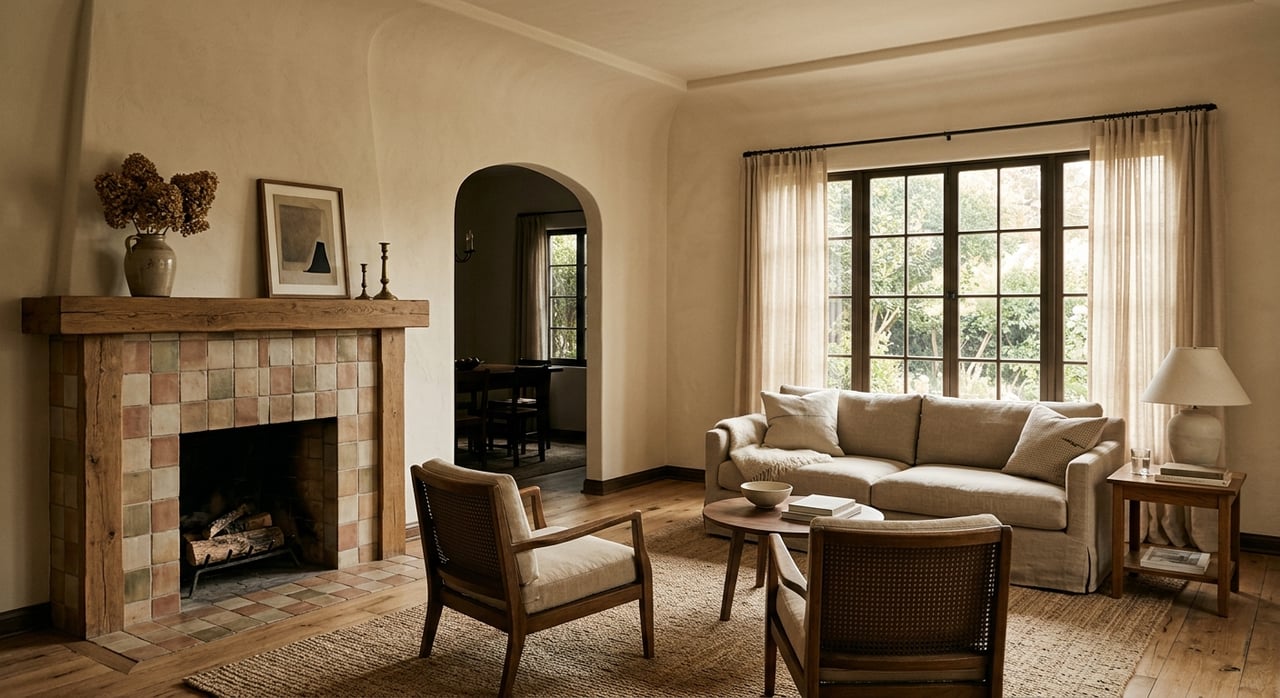
Selling a historic home in Hancock Park or Windsor Square is rarely a standard listing process. Buyers are not just looking at square footage and finishes. They are also paying attention to architectural character, visible condition, documentation, and whether the home has been cared for in a way that respects its history. If you are preparing to sell, a thoughtful plan can help you protect value, reduce surprises, and present the property with confidence. Let’s dive in.
Why historic context matters
Hancock Park and Windsor Square are both Historic Preservation Overlay Zones, or HPOZs, in Los Angeles. Windsor Square was adopted in 2004, and Hancock Park followed in 2008. That means exterior work is subject to added review under each district’s Preservation Plan, including alterations, additions, landscaping, and new construction.
That review process matters when you are getting ready to sell. A project that seems minor, like repainting, changing windows, or adjusting hardscape, may still need to fit district guidelines. Before starting visible exterior work, it is smart to confirm whether review is required.
What buyers expect in these neighborhoods
Hancock Park and Windsor Square are part of a broader Wilshire-area development story tied to homes built largely from the 1910s through the 1930s. SurveyLA describes Larchmont Boulevard as the area’s streetcar-era main street and commercial strip, which helps explain why buyers often respond to the neighborhood’s period continuity as much as the individual house.
In Hancock Park, city planning materials highlight Period Revival residences, generous 50-foot setbacks, and side driveways leading to rear garages. Windsor Square includes Craftsman, Beaux Arts or Classical Revival, Period Revival, and later Ranch examples. In practical terms, buyers often notice proportion, craftsmanship, and how the house sits on its lot.
Preserve character before you modernize
When selling an older home, it is tempting to update everything to look newer. In these neighborhoods, that approach can work against you. Historic guidance from the National Park Service favors retaining and preserving historic character, with repair preferred over replacement.
If replacement is necessary, the goal is to match the original material’s composition, design, color, texture, and visual qualities as closely as possible. For you as a seller, the takeaway is simple: clean, brighten, and repair without removing the features that make the house feel authentic.
Features worth highlighting
The strongest presentation usually starts with the details buyers hope to find in a historic home, such as:
- Original millwork
- Plaster details
- Staircases
- Fireplaces
- Built-ins
- Hardwood floors
- Original windows or original window proportions
- The relationship between the home, setback, and lot layout
These features help tell a credible story about stewardship. They also tend to feel more persuasive than a generic claim that the home has been "updated."
Check HPOZ issues early
In an HPOZ, small visible changes can carry more weight than sellers expect. Los Angeles City Planning notes that review can apply to projects ranging from window rehabilitation to additions and infill. That is why timing matters.
If you are considering paint, landscape work, exterior repairs, or hardscape changes before listing, check first. Early review can help you avoid unnecessary delays, last-minute revisions, or work that does not support your sale strategy.
Prepare for condition questions upfront
Historic-home buyers tend to be detail-oriented, and many will investigate condition closely. A smoother sale often starts with a realistic pre-listing review of common issues, especially in older Los Angeles homes.
California’s Homeowner’s Guide to Earthquake Safety highlights several items worth checking. These include water-heater bracing, foundation bolting, crawl-space wall bracing, garage-wall bracing, unreinforced masonry foundations or walls, and unreinforced masonry chimneys. If you cannot confirm the condition with confidence, the guide recommends consulting a licensed engineer or architect.
Lead-safe planning matters too
Because much of the housing stock in these neighborhoods dates to the early 20th century, many homes fall within the pre-1978 lead disclosure framework. That rule is based on known information and records, not just visible deterioration.
If repainting or prep work could disturb older coatings, it is wise to treat pre-1978 paint as potentially lead-bearing unless testing shows otherwise. Lead-safe renovation practices can help protect the home, the people working in it, and your disclosure position later.
Build your disclosure package before you list
One of the biggest mistakes sellers make is waiting too long to gather records. In California, buyers typically expect a fuller disclosure package than many sellers anticipate. The California Department of Real Estate says buyers are legally entitled to the Transfer Disclosure Statement, Agency Relationship Disclosure, Preliminary Title Report, and other transaction-specific disclosures.
The Preliminary Title Report helps identify ownership history, liens, and encumbrances. The Transfer Disclosure Statement is important, but it is not a warranty and it does not replace inspections. In many cases, reports prepared by licensed experts can serve as substituted disclosures when they cover the same subject matter.
Documents that can strengthen buyer confidence
A strong seller package may include:
- Transfer Disclosure Statement
- Agency Relationship Disclosure
- Preliminary Title Report
- Inspection summaries
- Contractor reports
- Permits
- HPOZ approvals, if applicable
- Architect or engineer letters
- Available archive records tied to the property’s history
This kind of preparation gives buyers something more concrete than marketing language. It can also reduce uncertainty during escrow.
Don’t wait on inspections
Independent inspections should happen early enough to leave room for follow-up work or negotiation. An inspection is designed to evaluate the home’s physical condition, major systems, and items that may need repair or replacement.
For many California transactions, a wood-destroying organism inspection is also part of the normal process. The Structural Pest Control Board notes that many lending institutions require these inspections before financing. If you order one before listing, you have more control over timing and how repair decisions are handled.
Earthquake disclosures are especially important
If your home was built before 1960, California’s earthquake disclosure package becomes especially important. The Homeowner’s Guide to Earthquake Safety says sellers must provide the guide and disclose certain earthquake risks. It also states that the seller must brace the water heater when selling the home.
This is another reason pre-listing planning matters. If there is an easy correction to make now, handling it in advance may help you avoid a preventable issue later.
Market the home with facts, not adjectives
The most effective marketing for a historic home is usually calm, specific, and document-backed. Instead of relying on vague words like "charming" or "timeless," focus on era, architecture, lot relationship, and stewardship.
For Hancock Park, the city’s planning materials emphasize 1920s Period Revival residences and broad setbacks. For Windsor Square, the architectural mix is wider, which can shape a different story depending on the house. In both neighborhoods, buyers tend to respond to proportion, craftsmanship, and consistency with the surrounding streetscape.
Tell a neighborhood story too
If the home is near Larchmont, the story can extend beyond the lot lines. SurveyLA describes the surrounding area as a residential district developed in the 1910s through 1930s, with Larchmont Boulevard serving as the main street and streetcar connection.
That context can support a more meaningful presentation. Instead of making the property sound isolated, you can place it within a broader pattern of neighborhood development and continuity.
Use records to support the story
Historic-home marketing is strongest when the facts are easy to verify. Los Angeles City Planning identifies SurveyLA as the city’s primary planning tool for identifying historic properties and districts, and HistoricPlacesLA contains survey data for HPOZs and other recognized historic resources.
That does not mean every seller needs an academic history of the house. It does mean your claims should be grounded in documents where possible, especially if you are describing architectural style, approvals, or past work.
Be careful with later alterations
Not every later change is a problem. The National Park Service notes that some later alterations may have acquired significance in their own right. In other words, an older addition or modification is not automatically something to erase from the story.
A measured presentation is usually more credible than promising a pure restoration narrative that ignores the home’s actual evolution. Buyers tend to trust what is documented and thoughtfully explained.
A four-step strategy for sellers
If you want a simple framework, most successful historic-home sales in Hancock Park and Windsor Square come down to four moves:
- Preserve the character.
- Verify the condition.
- Assemble the records.
- Tell the story with documentation.
That approach fits the way buyers evaluate these homes. Authenticity is part of the asset, and documentation is what turns that authenticity into confidence.
Selling a historic home here takes more than standard listing prep. It calls for judgment, organization, and a calm strategy that respects both the property and the transaction. If you are considering a sale in Hancock Park or Windsor Square, Jeffrey Sachs can help you prepare, position, and negotiate with the level of care these homes deserve.
FAQs
What makes selling a historic home in Hancock Park different from a standard sale?
- Hancock Park is an HPOZ, so exterior work may be subject to added review, and buyers often focus closely on architectural character, condition, and documentation.
What should you repair before listing a Windsor Square historic home?
- Focus first on cleaning, brightening, and repairing existing features without over-modernizing, and check whether visible exterior work may need HPOZ review.
What disclosures matter when selling an older home in Hancock Park or Windsor Square?
- Common items include the Transfer Disclosure Statement, Agency Relationship Disclosure, Preliminary Title Report, transaction-specific disclosures, lead-based paint disclosure for pre-1978 homes, and earthquake-related disclosures where applicable.
Should you get inspections before listing a historic Los Angeles home?
- A pre-listing inspection can be helpful because it gives you time to evaluate condition issues, gather expert reports, and decide how to address repairs or negotiations.
Why is documentation so important when marketing a historic home near Larchmont?
- Permits, approvals, inspection reports, and historic records help support claims about the home’s architecture, condition, and stewardship, which can make buyers more confident.
What earthquake issues should sellers check in older Hancock Park and Windsor Square homes?
- Key items include water-heater bracing, foundation bolting, crawl-space wall bracing, garage-wall bracing, masonry risks, and chimney conditions, with a licensed engineer or architect recommended when condition cannot be verified confidently.