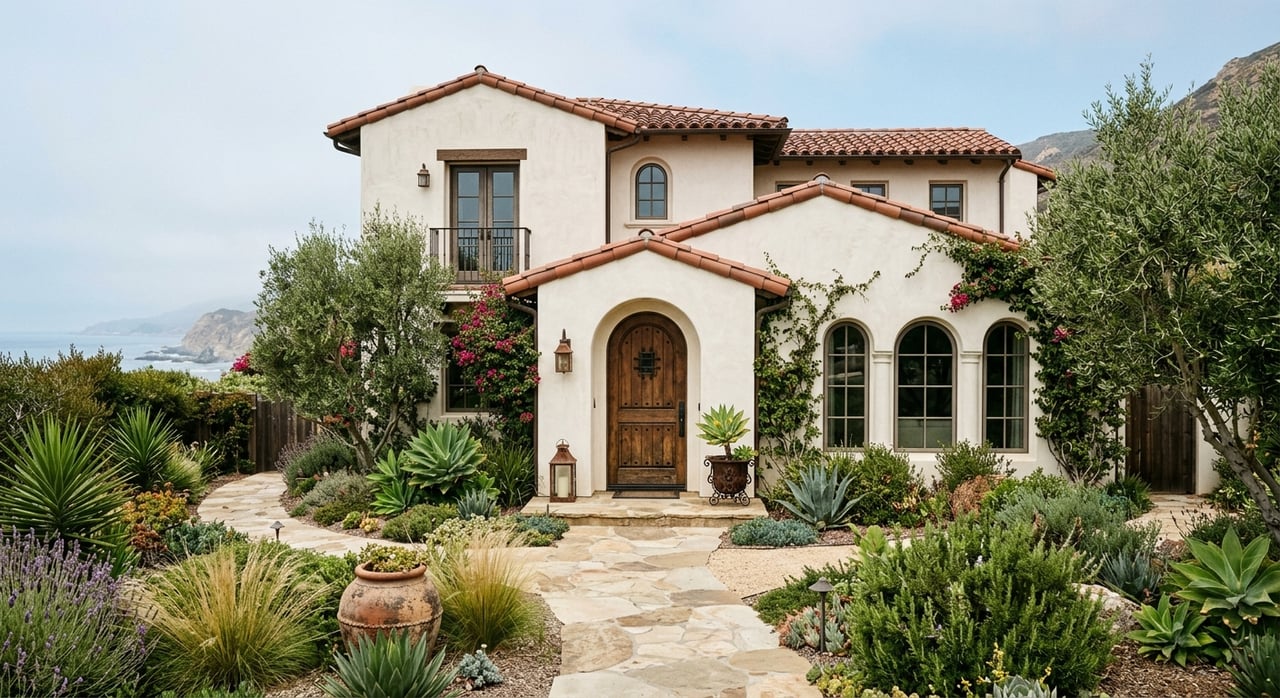
Trying to choose between a condo and a house in Santa Monica can feel simple at first, until you start comparing price, privacy, upkeep, and monthly costs. If you want to live near the beach, walk to local shops and restaurants, and make a smart long-term decision, the right answer depends on how you want to live as much as what you want to spend. This guide will help you weigh the real tradeoffs in Santa Monica’s beach communities so you can move forward with more clarity and less guesswork. Let’s dive in.
Santa Monica price differences
In Santa Monica, your first big decision often comes down to budget. According to Redfin’s Santa Monica city guide, the median sale price is far higher for single-family homes than for condos or townhouses. Redfin reports median sale prices of about $3.033M for single-family homes, $1.4825M for condo/co-op properties, and $1.45M for townhouses.
That spread matters because it changes what your money buys. A condo may get you closer to the beach or into a more walkable part of the city, while a house may offer more private space but at a much higher entry point. Citywide, Redfin’s housing market data places the median sale price around $1.824M, while Realtor.com’s snapshot in the same research set reports a median listing price around $1.81M, showing a market that remains expensive across property types.
Neighborhood pricing can change everything
Santa Monica is not one flat market. Prices vary sharply depending on where you want to live, especially in beach-adjacent areas. In the research provided, Ocean Park’s median sale price was $1.255M in February 2026, Downtown Santa Monica condos were listed around $1.82M, and North of Montana reached a median sale price of $5.05M in January 2026, according to Redfin neighborhood data.
Zip code data also shows a wide range. Realtor.com’s snapshot in the research report places values at about $4.32M in 90402, $1.35M in 90403, and $1.02M in 90404. That means the condo-versus-house decision is often also a location-versus-space decision.
Why condos appeal in beach communities
For many buyers, condos are the most practical way to live close to the water in Santa Monica. They are usually the lowest-entry option among the main property types, and they often sit in highly walkable, beach-adjacent areas. Current Santa Monica condo listings on Redfin highlight features like heated pools, secure entry, bike storage, gated parking, ocean-view balconies, and private patios.
That combination can be appealing if your priority is lifestyle and convenience. In a city where walkability is a major draw, attached housing often makes sense for buyers who would rather spend weekends enjoying the beach and local amenities than maintaining a yard or exterior structure. According to Redfin’s city guide, Santa Monica has a Walk Score of 83, while Downtown Santa Monica scores 90 and Ocean Park scores 93.
Why houses still win for some buyers
A house usually offers the most privacy, the most separation from neighbors, and the most control over your property. In Santa Monica, that also comes with the highest typical price point. Single-family homes are often marketed as condo alternatives with more space, more standalone living, and no HOA dues, based on the research source from Redfin’s Santa Monica guide.
If you want a private yard, fewer shared walls, and more freedom over the property, a house may be the better fit. That said, the premium is significant. In many Santa Monica beach communities, the tradeoff for standalone living is paying much more upfront and taking on full responsibility for maintenance.
Townhouses offer a middle ground
If you feel stuck between condo living and the cost of a house, a townhouse may offer a useful middle path. The research shows that Santa Monica townhomes often emphasize features like roof decks, patios, courtyard entries, private garages, private elevators, and direct garage access. One Sea Colony residence highlighted by Redfin is even presented as offering privacy and comfort similar to a single-family home.
That can make a townhouse attractive if you want more room and a more residential feel without jumping all the way to a detached home. Still, you should confirm how the property is legally classified. As the research notes, marketing language and legal property type do not always match.
Monthly cost is more than the purchase price
One of the biggest mistakes buyers make is focusing too much on the list price. In Santa Monica, a condo may look more affordable at first glance, but HOA dues can materially affect your monthly payment. The research report includes current examples of dues around $682 per month, $700 per month, $1,222 per month, and $1,650 per month, based on Santa Monica listing examples on Redfin.
That means a lower purchase price does not always equal a lower carrying cost. When comparing a condo, townhouse, and house, it helps to look at the full monthly picture, including mortgage payment, property taxes, insurance, and any HOA dues. This is often where the numbers become more revealing.
What the HOA maintains matters
If you are considering a condo or townhouse, you will want to understand exactly what the homeowners association maintains and what remains your responsibility. Under California Civil Code Section 4775, the association generally maintains common areas while the owner maintains the separate interest, unless the governing documents say otherwise.
That distinction matters in practical terms. You may be responsible for the interior of your unit, while the HOA handles roofing, hallways, exterior walls, or shared amenities. But the exact split depends on the declaration and related documents, so buyers should review those carefully before committing.
Reserve strength and special-assessment risk
In Santa Monica, HOA health is not a minor detail. It is part of the value of the property itself. The California Department of Real Estate warns in its consumer alert on underfunded HOAs that weak reserves can lead to deferred maintenance, special assessments, financing problems, and weaker property values.
That is especially important in beach communities, where exposure to coastal conditions can increase wear over time. The DRE also notes that special assessments can run into the tens of thousands of dollars. Before buying attached housing, you should understand whether the building appears financially prepared for future repairs or whether the current dues may be masking bigger costs ahead.
Insurance questions near the beach
Beach proximity can be a lifestyle advantage, but it also creates extra insurance questions. According to FEMA’s coastal flood information, coastal communities face risks that can include storm surge, waves, and erosion. California guidance in the research report also notes that flood insurance is required for federally backed loans in FEMA high-risk flood zones.
Earthquake coverage is another separate issue to review. The California Department of Insurance guidance summarized in the research report states that homeowners insurance does not cover earthquake damage, and condo owners may still need their own earthquake coverage even if the HOA insures common areas or the building exterior. This is one more reason to compare not just purchase price, but total risk and ownership cost.
Resale depends on more than location
In Santa Monica, location still matters, but resale value is also tied to the structure of the property and the financial condition of the building or association. The DRE warns that underfunded associations can create issues that affect both value and financing. The research report also notes that Redfin’s 2025 condo commentary described condo prices as falling amid rising HOA fees, insurance costs, and special assessments.
For buyers, that means a condo purchase is partly a building-level investment decision, not just a unit-level one. A well-run association can support value over time, while a poorly funded one can complicate both ownership and resale. A house does not carry the same HOA reserve risk in many cases, but it does place more repair exposure directly on you.
Questions to ask yourself first
Before you decide between a condo and a house in Santa Monica, it helps to get honest about your priorities. The right fit usually becomes clearer when you compare your lifestyle, budget, and tolerance for upkeep.
Ask yourself:
- Do you want the lowest entry point possible into Santa Monica beach living?
- Is walkability more important than private outdoor space?
- Would you rather pay HOA dues in exchange for less direct maintenance?
- How much do privacy and separation from neighbors matter to you?
- Are you comfortable reviewing HOA budgets, reserves, and governing documents?
- Do you want more control over the property, even if that means more maintenance responsibility?
- Have you accounted for insurance needs near the coast?
Which option fits best
A condo may be the better fit if you want beach proximity, walkability, and a lower purchase price than a detached home. It can also make sense if you prefer shared amenities and less exterior maintenance, provided the HOA is well run and financially sound.
A house may be the stronger choice if privacy, control, and space are your top priorities and your budget supports the higher cost of entry. You avoid HOA dues in many cases, but you also take on more direct responsibility for upkeep, repairs, and insurance decisions.
A townhouse can work well if you want something in between. In Santa Monica, it can offer more privacy and functionality than a typical condo while staying below the price of many single-family homes.
When you are comparing these options in a market as nuanced as Santa Monica, details matter. If you want clear guidance on pricing, monthly-cost analysis, HOA risk, and how a specific property fits your goals, Jeffrey Sachs can help you evaluate the decision with a calm, strategic approach.
FAQs
What is the typical price difference between a condo and a house in Santa Monica?
- Based on Redfin’s Santa Monica city guide, median sale prices are about $1.4825M for condo/co-op properties and $3.033M for single-family homes, so houses typically cost substantially more.
How much do HOA dues add to condo ownership in Santa Monica?
- The research report includes current Santa Monica examples ranging from about $682 per month to $1,650 per month, so HOA dues can significantly affect your monthly housing cost.
What does an HOA usually maintain in a Santa Monica condo?
- Under California Civil Code Section 4775, the HOA generally maintains common areas while you maintain your separate interest, unless the governing documents state otherwise.
Why do HOA reserves matter when buying a condo in Santa Monica?
- The California Department of Real Estate warns that underfunded HOAs can lead to deferred maintenance, special assessments, financing issues, and weaker property values.
What insurance should you review for a Santa Monica beach property?
- The research report shows that coastal buyers should review possible flood-zone requirements, and it also notes that standard homeowners insurance does not cover earthquake damage, so separate coverage may be worth evaluating depending on the property and location.
Is a townhouse in Santa Monica more like a condo or a house?
- In many cases, a townhouse sits between the two, offering more privacy and features like direct garage access or roof decks, but you should verify the legal property type and governing documents because listing descriptions can be inconsistent.